Cambridge, MA
Study, 2025
Type: Academic / Arts / Reuse
Theme: Transforming Old Buildings
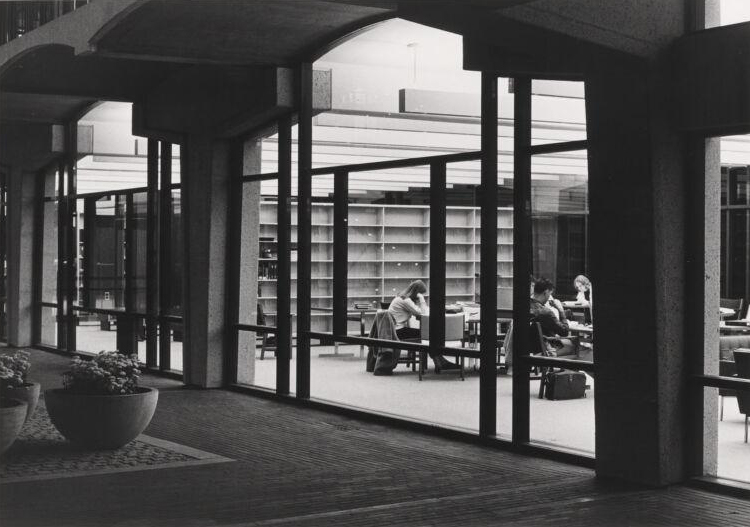
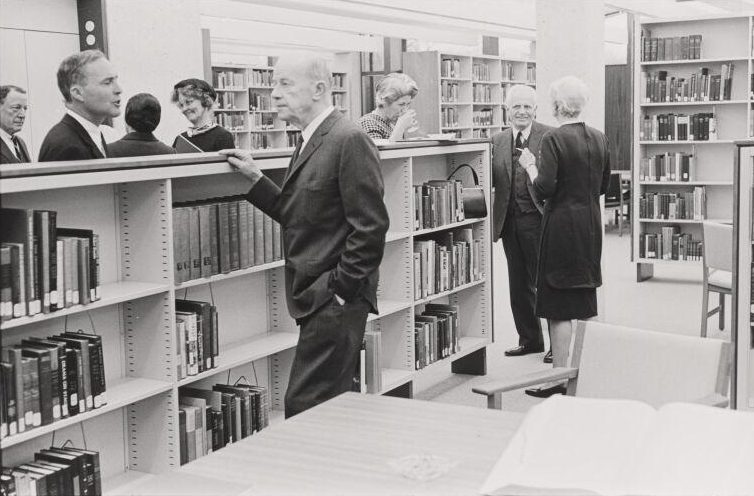
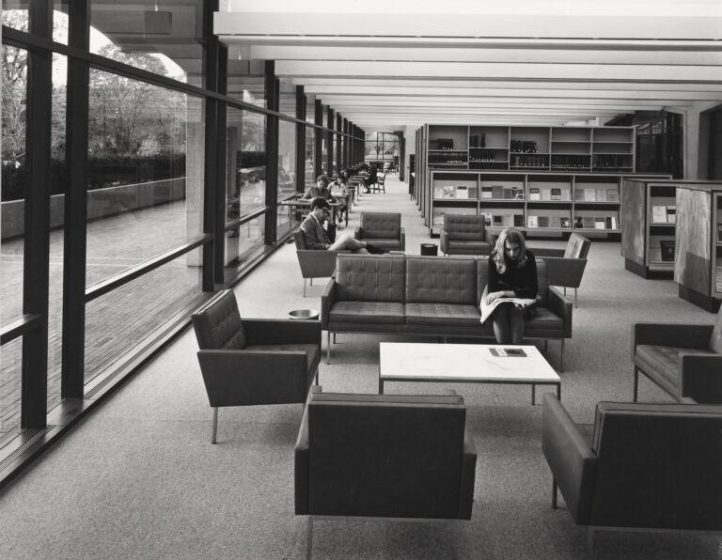
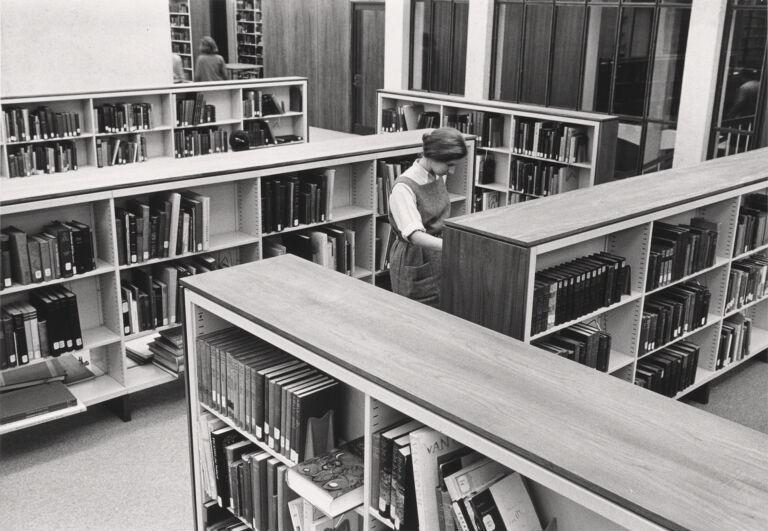
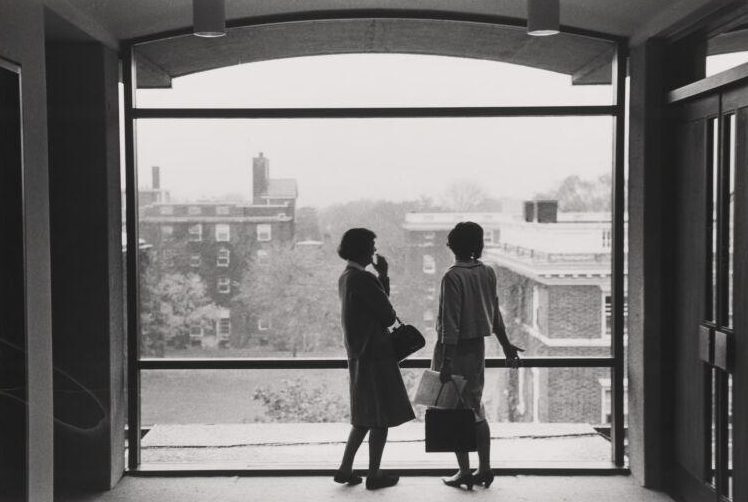
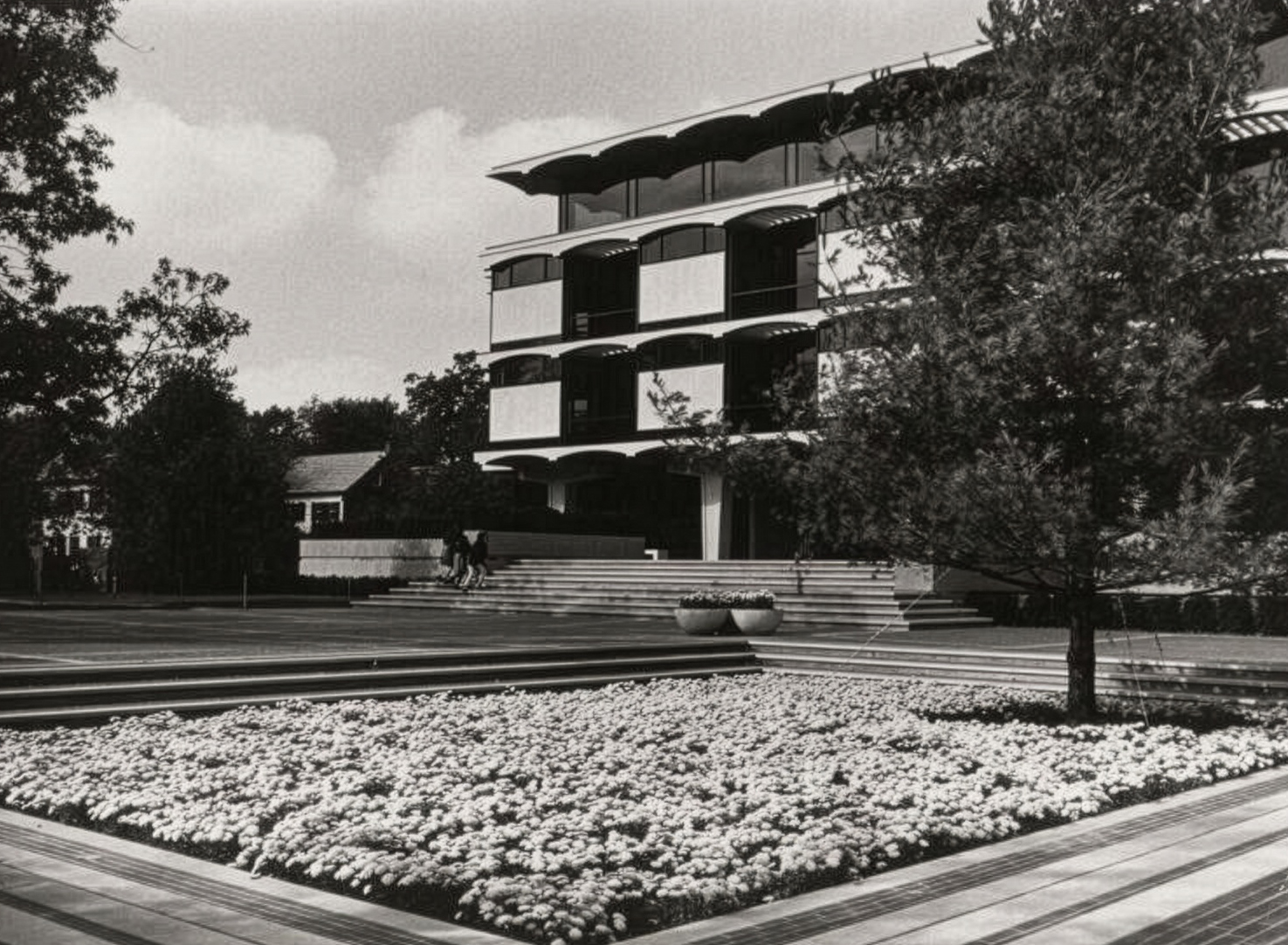
In this feasibility study, Harvard asked us to study new uses for Hilles Library. Hilles, built as a library for Radcliffe College in 1967, and designed by renowned firm Harrison and Abramovitz, is in need of systems upgrades, and currently houses administrative offices, offices and meeting spaces for student organizations, and limited other meeting and convening facilities. The challenge was to develop an argument to use Hilles better, and to examine its preservation. “Preserved how?” and “for what?” were our key considerations. Our study sought to answer both questions.
TenBerke has considerable experience adapting midcentury modernist buildings, including buildings by Louis I. Kahn, I.M. Pei, Shepley Bulfinch, and Edward Durrel Stone. Our position, articulated in our book Transform, is that adapted buildings live on in new forms when they serve new purposes. So, the question became, this library: what can it be used for and how will it signal that new invitation to use?
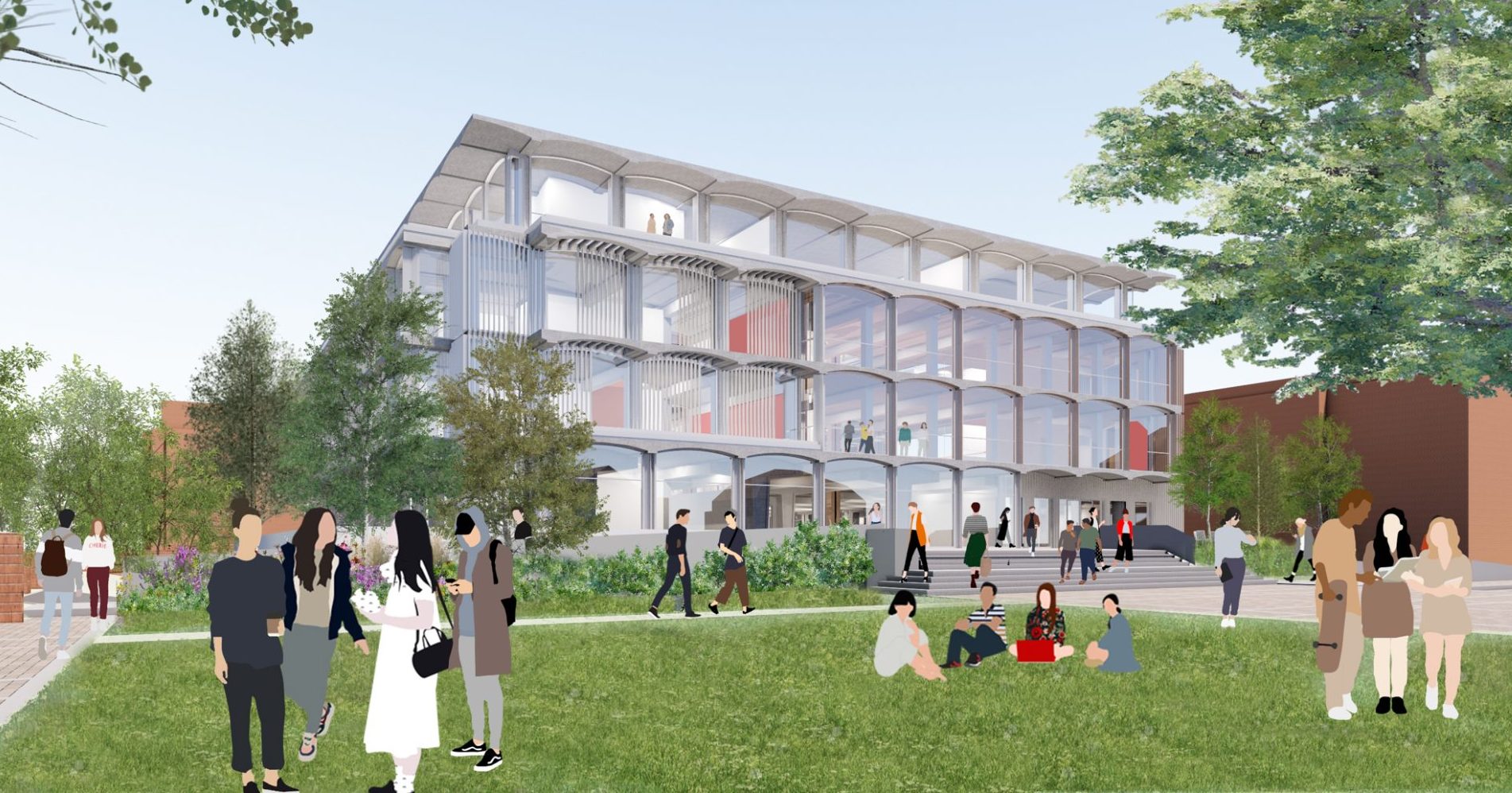
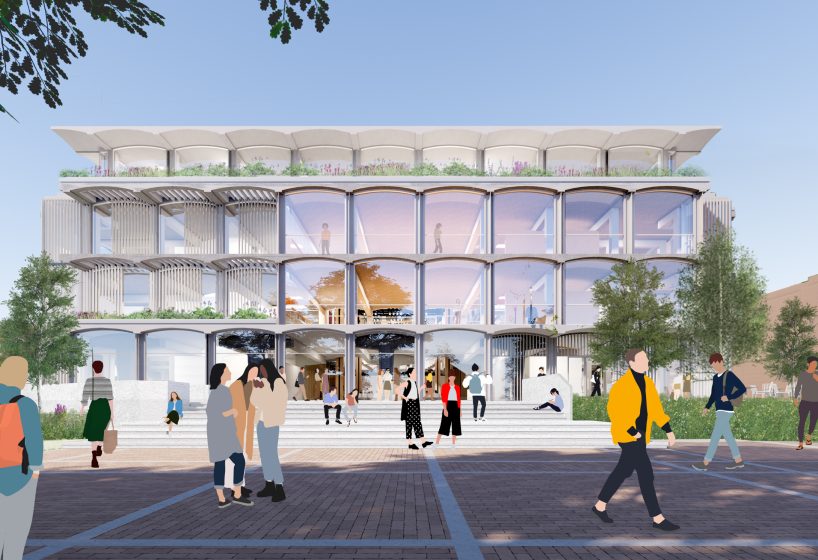
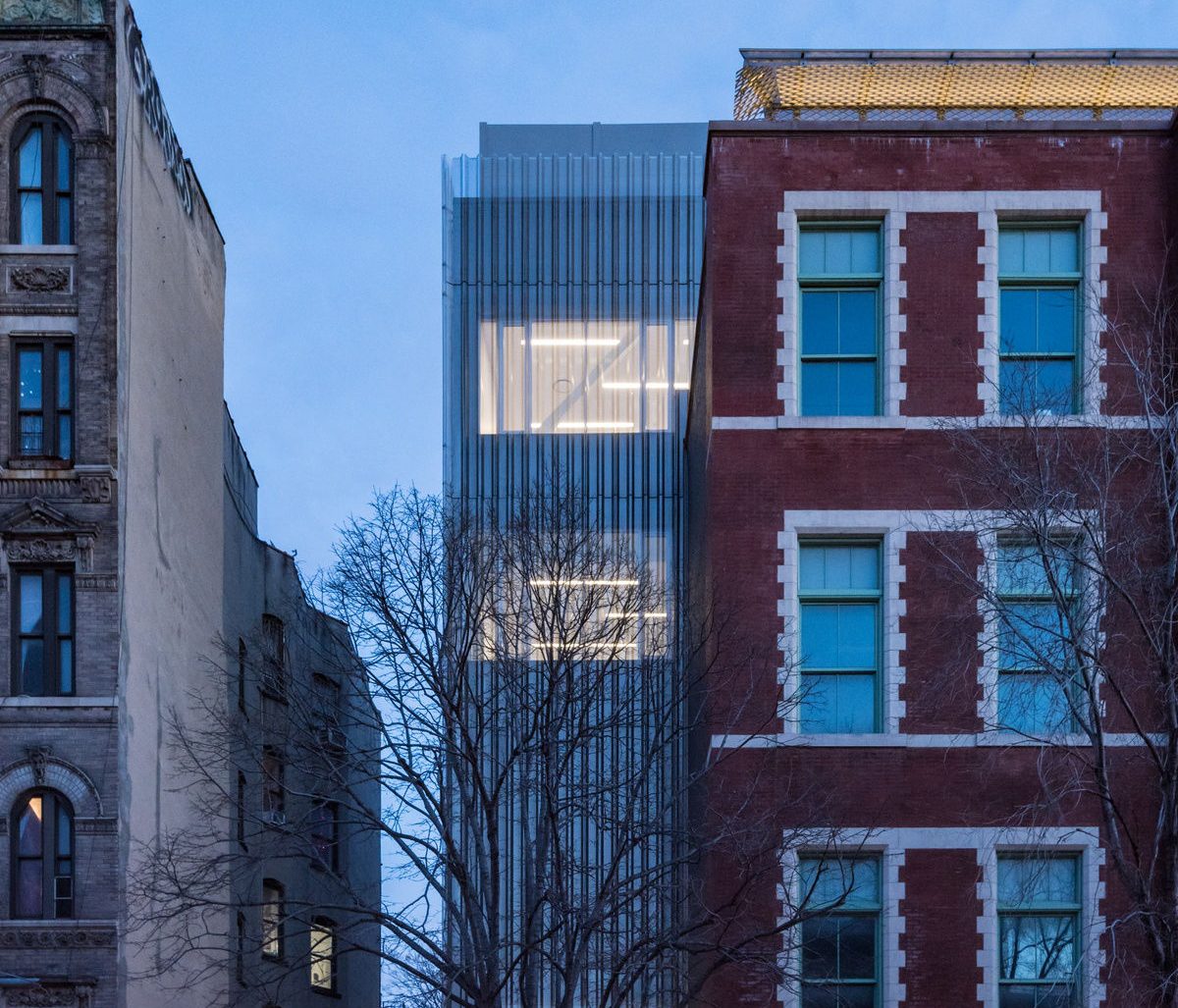
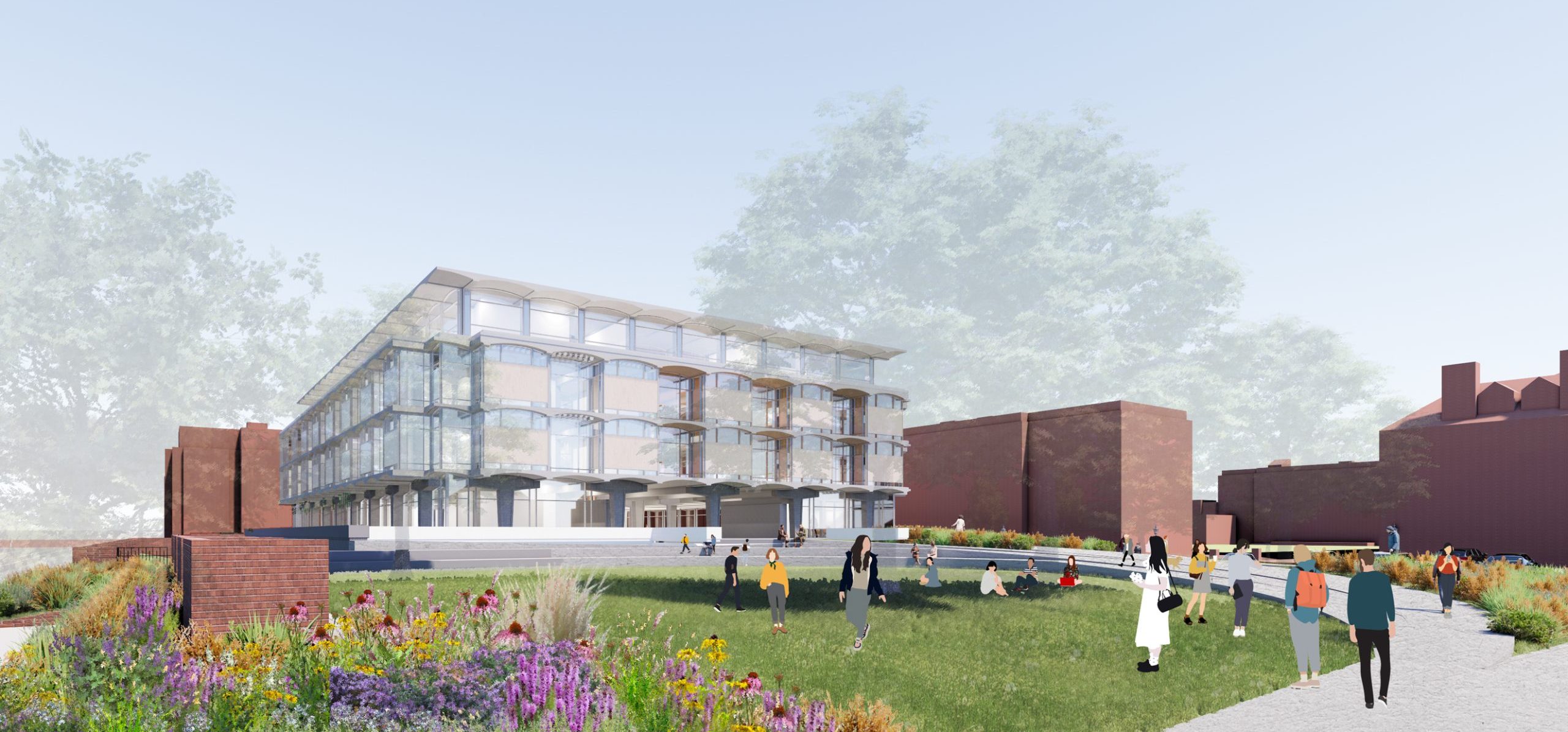
Our approach signals transformation, and invites a sense of belonging: you are in a conversation with the past
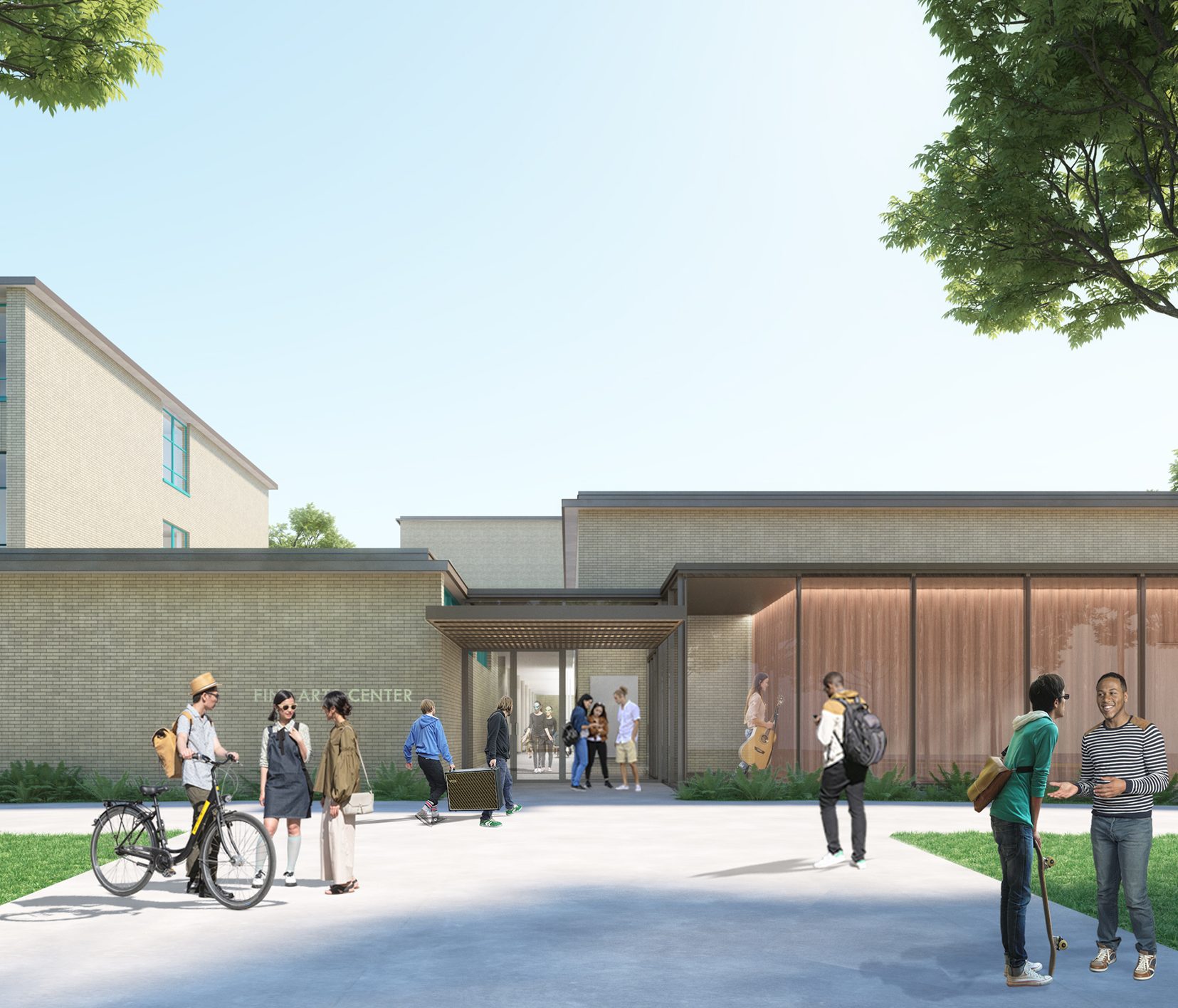
This approach works best for Arts and Convening, and Arts Hub.
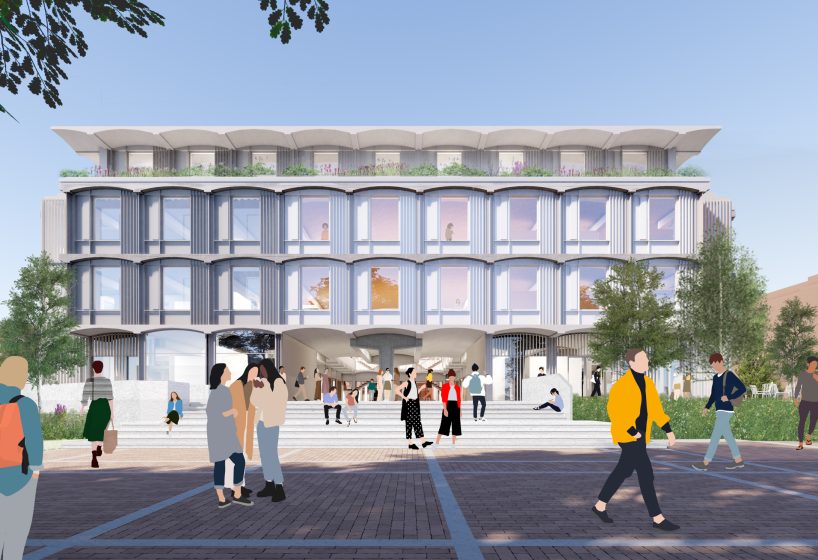
Here, we’ve implemented significant improvements to the windows to suit Housing even better. Visually, these changes are slight, but tangible, telling students that this building has been renewed.
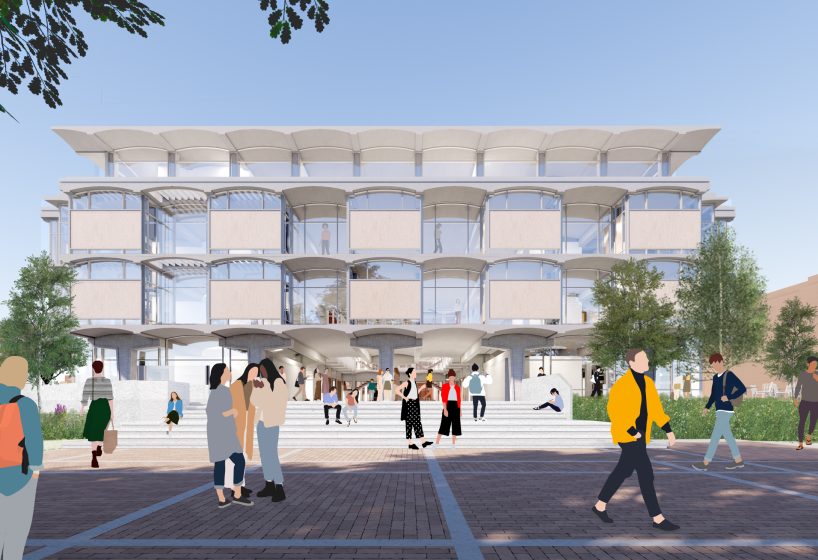
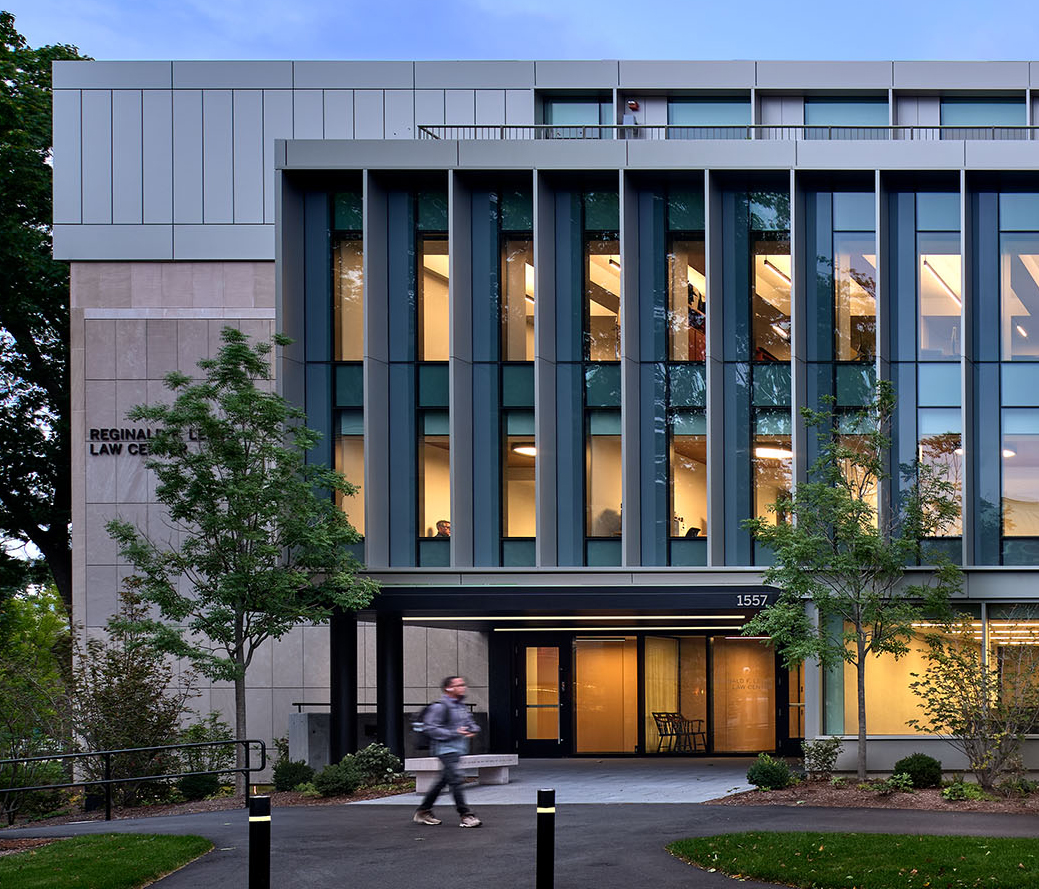
This approach to the exterior strives to appear unchanged, however thermal and energy performance is improved.
This approach works best for Housing, and suggests that the history of the building is as important as its present use.
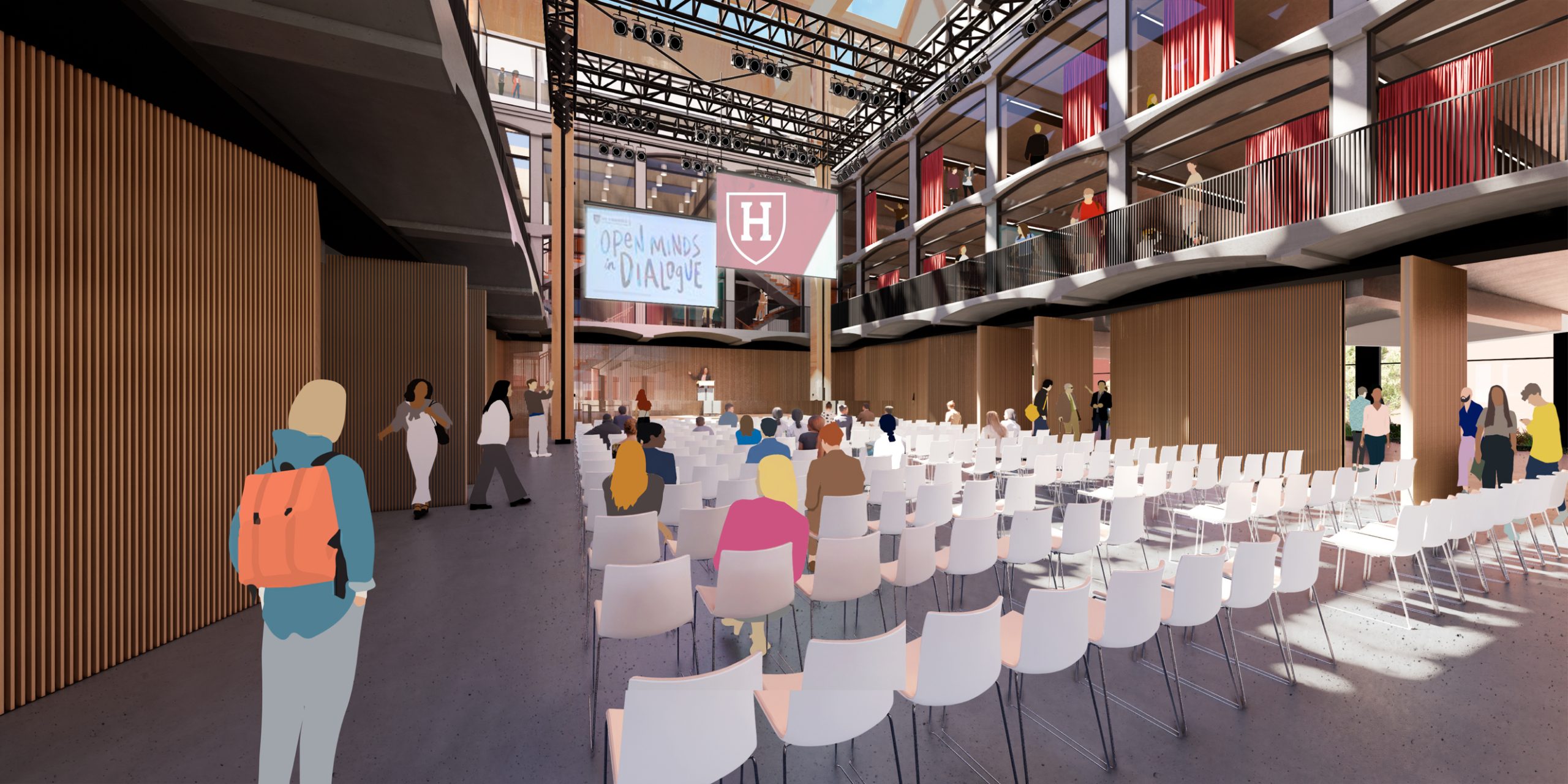
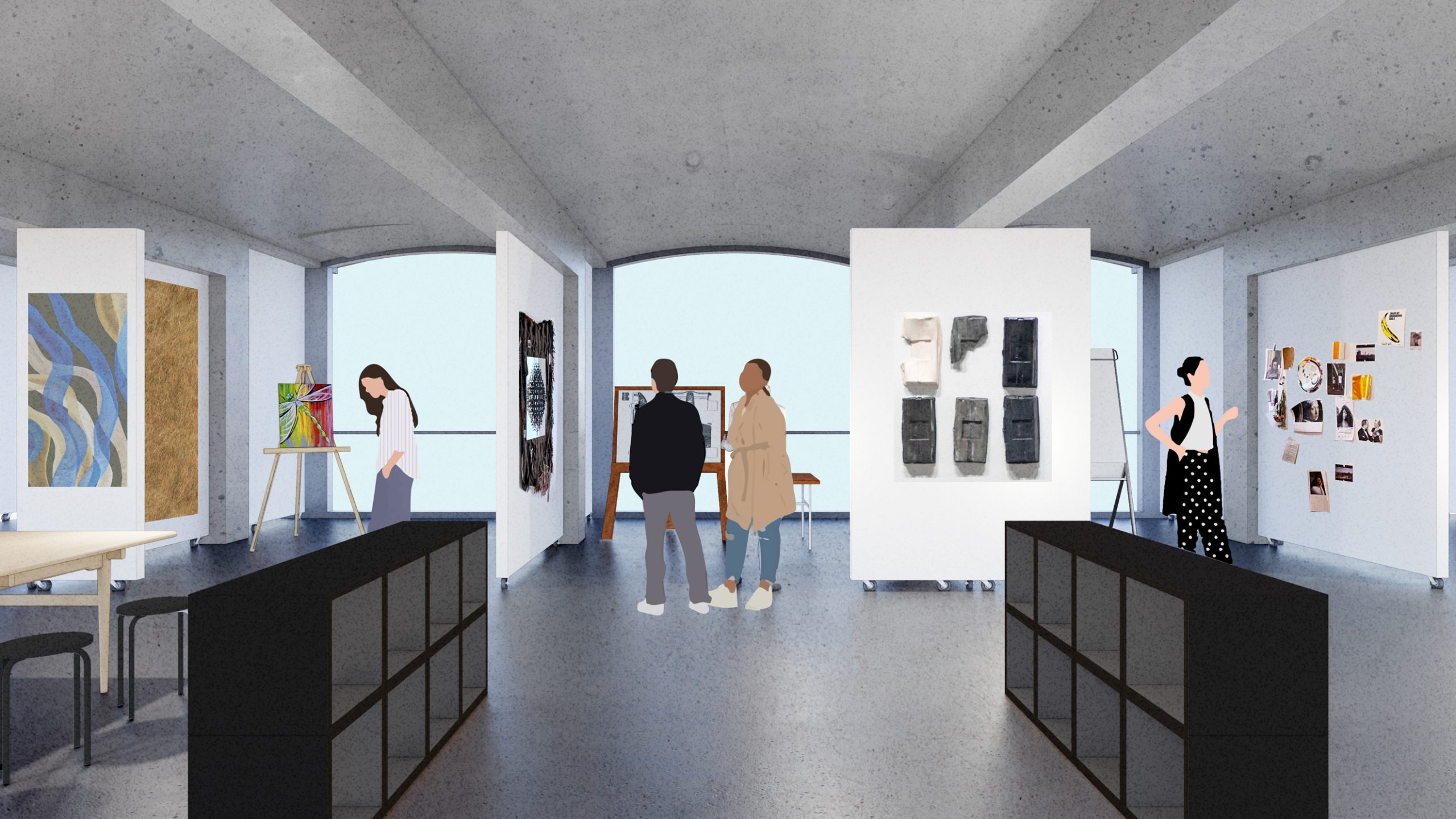
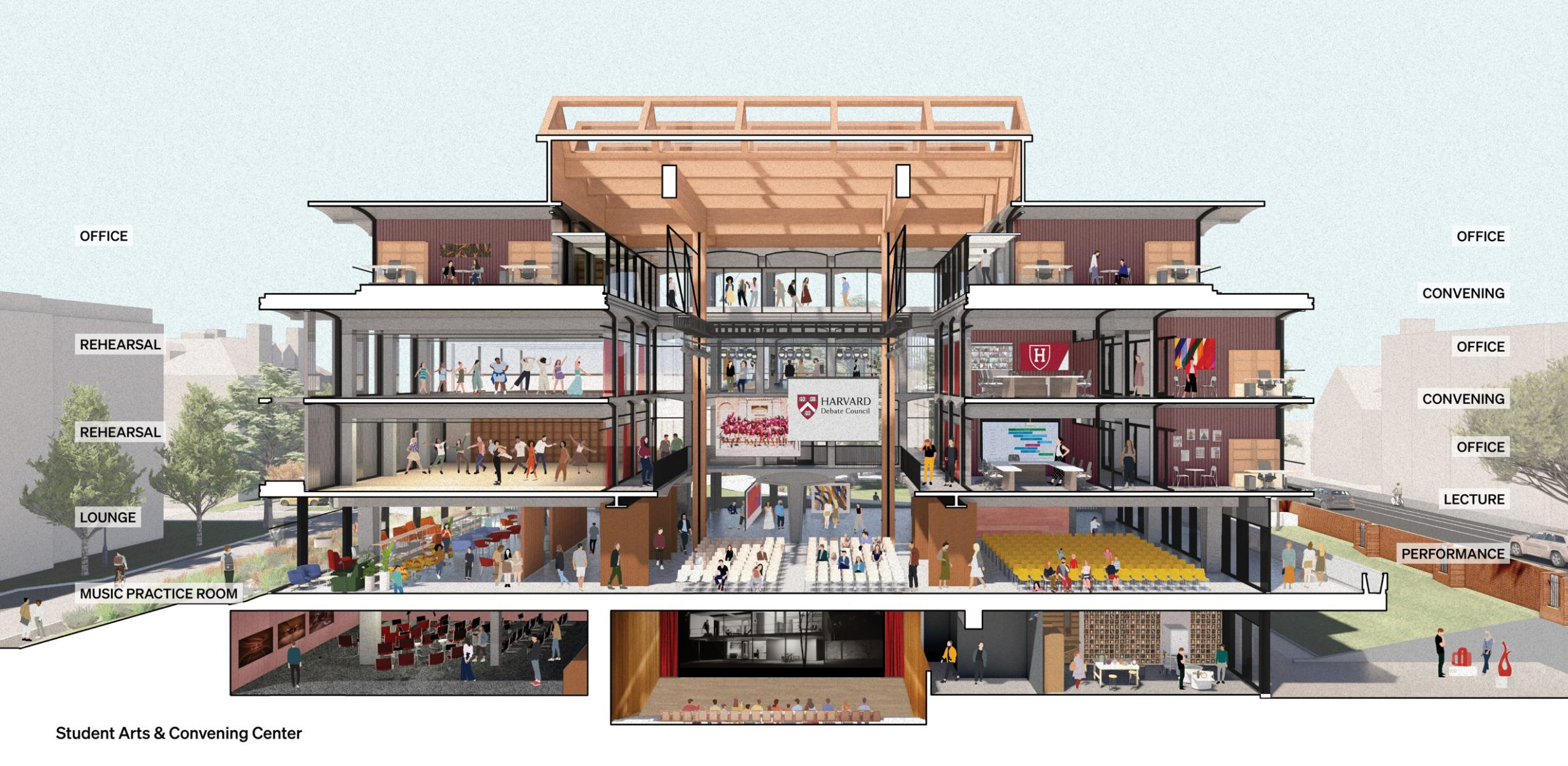
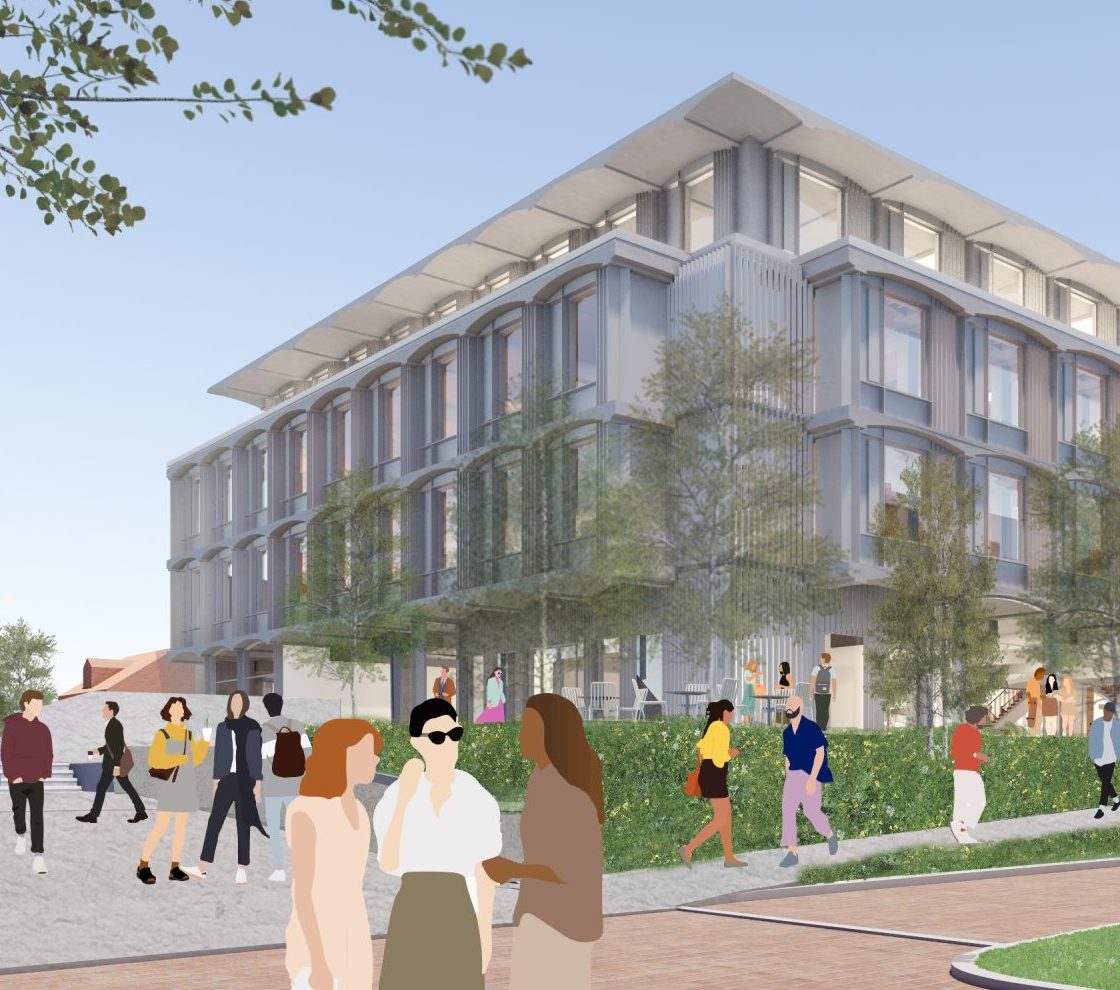
We propose to preserve the building’s essential character, while nonetheless opening it up to signal change.
Maitland Jones, Senior Principal
TenBerke
Architect
Altieri Sebor Weiber
MEP / FP Engineer
Atelier Ten
Sustainability
Jensen Hughes
Code
LeMessurier
Structural and Façade Engineer
Stimson
Landscape Architect
Vermeulens
Cost Estimating