Litchfield Hills House — A modern home set in a pastoral landscape

Litchfield County, CT
In Progress, 2026
Type: Houses
Theme: Tranquility in the Country

Project EUI
93%

reduction in energy use compared to the AIA 2030 baseline

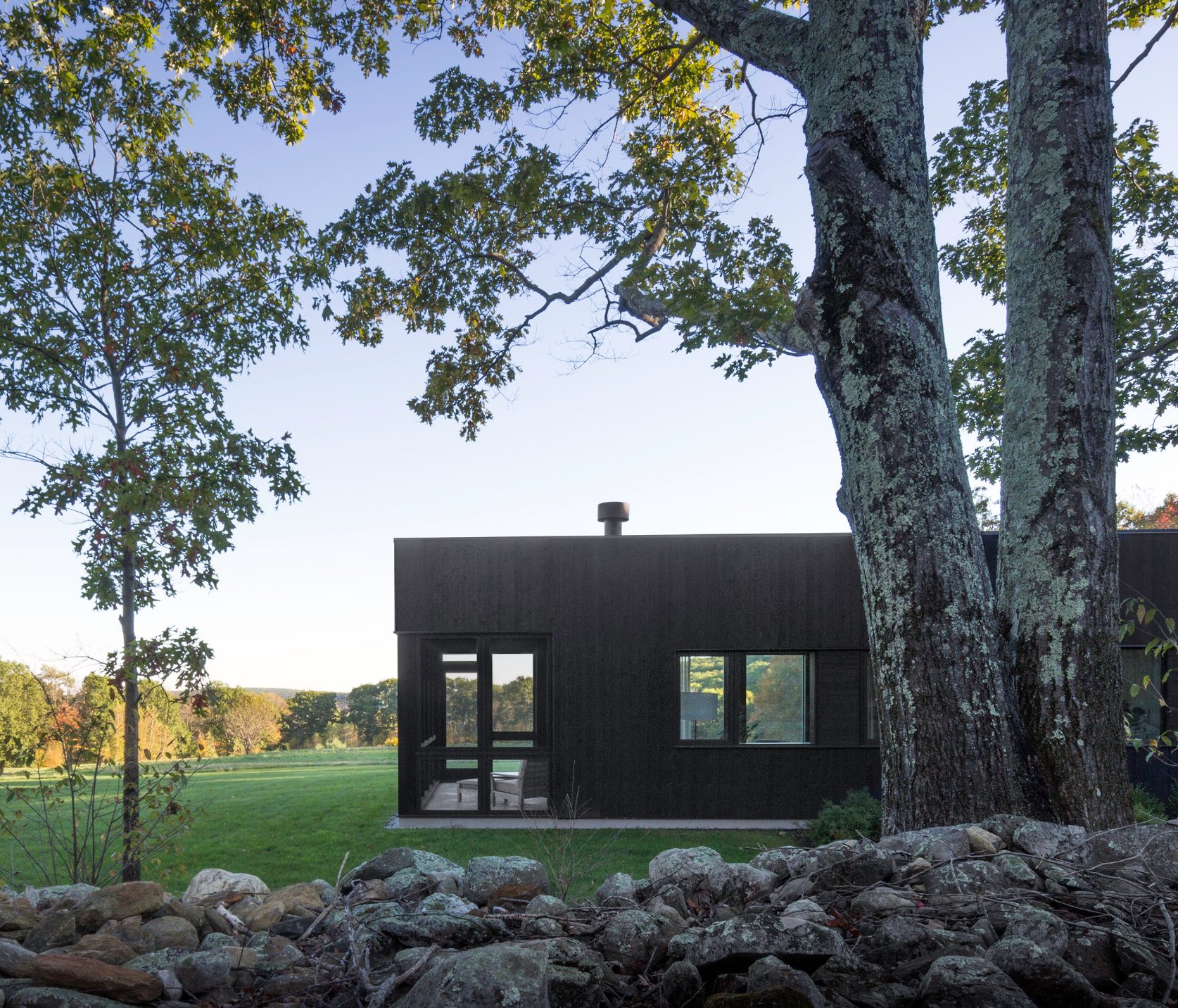
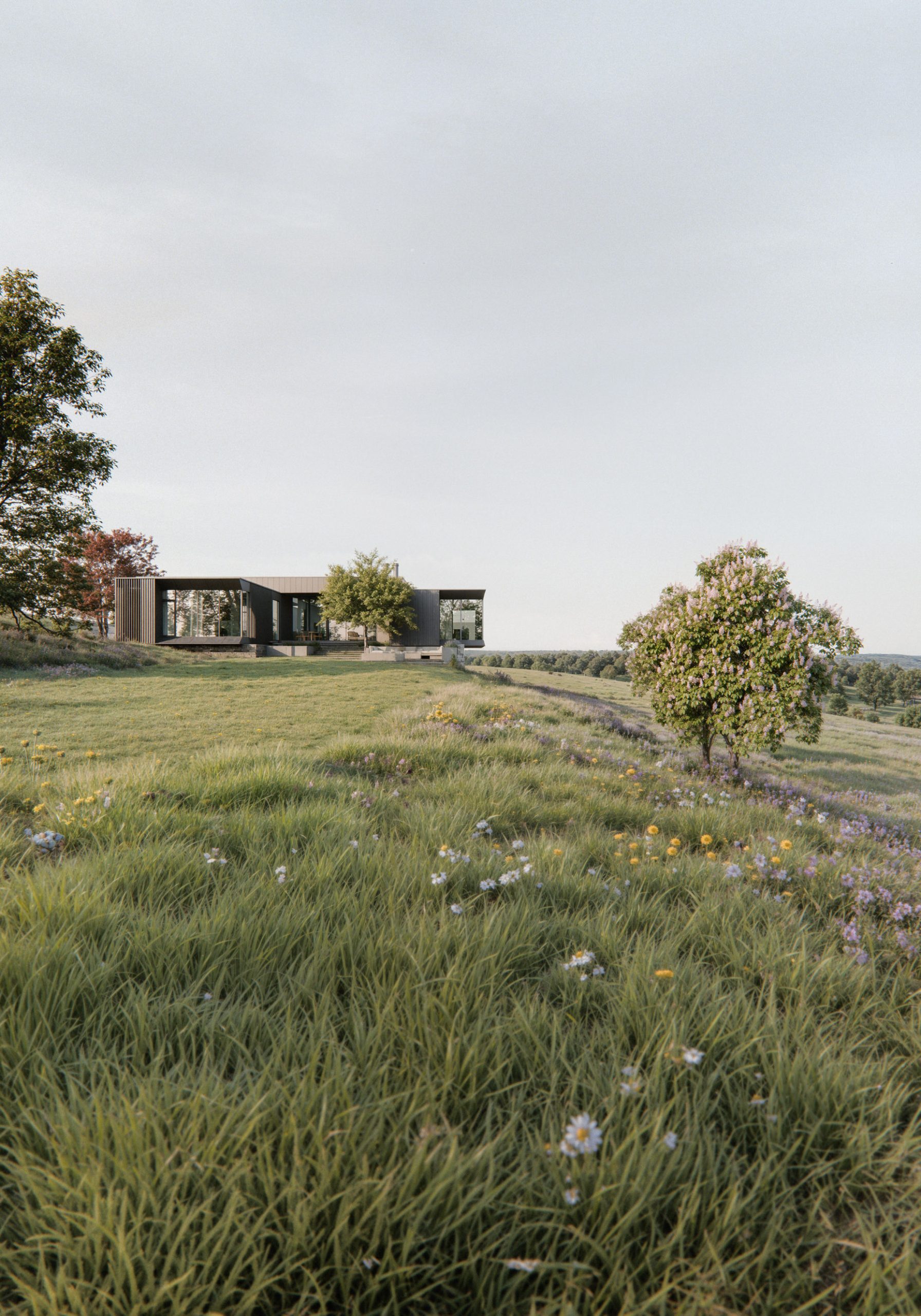
Nestled in the Shepaug River Valley, this family residence draws upon the rural character of its surrounds. A low-slung structure tucks into the hillside, overlooking a blanket of green dotted with old-growth trees and stone walls. Woodland, brook, and wetland pockets wrap along the edges of the site. The design conjures a New England vernacular in a contemporary tone, harnessing local, natural materials to modern forms deeply rooted in place. For a family of five, the residence is organized around the everyday rituals of the parents, while built to anticipate the liveliness of adult children returning home with their partners and families over the years to come.
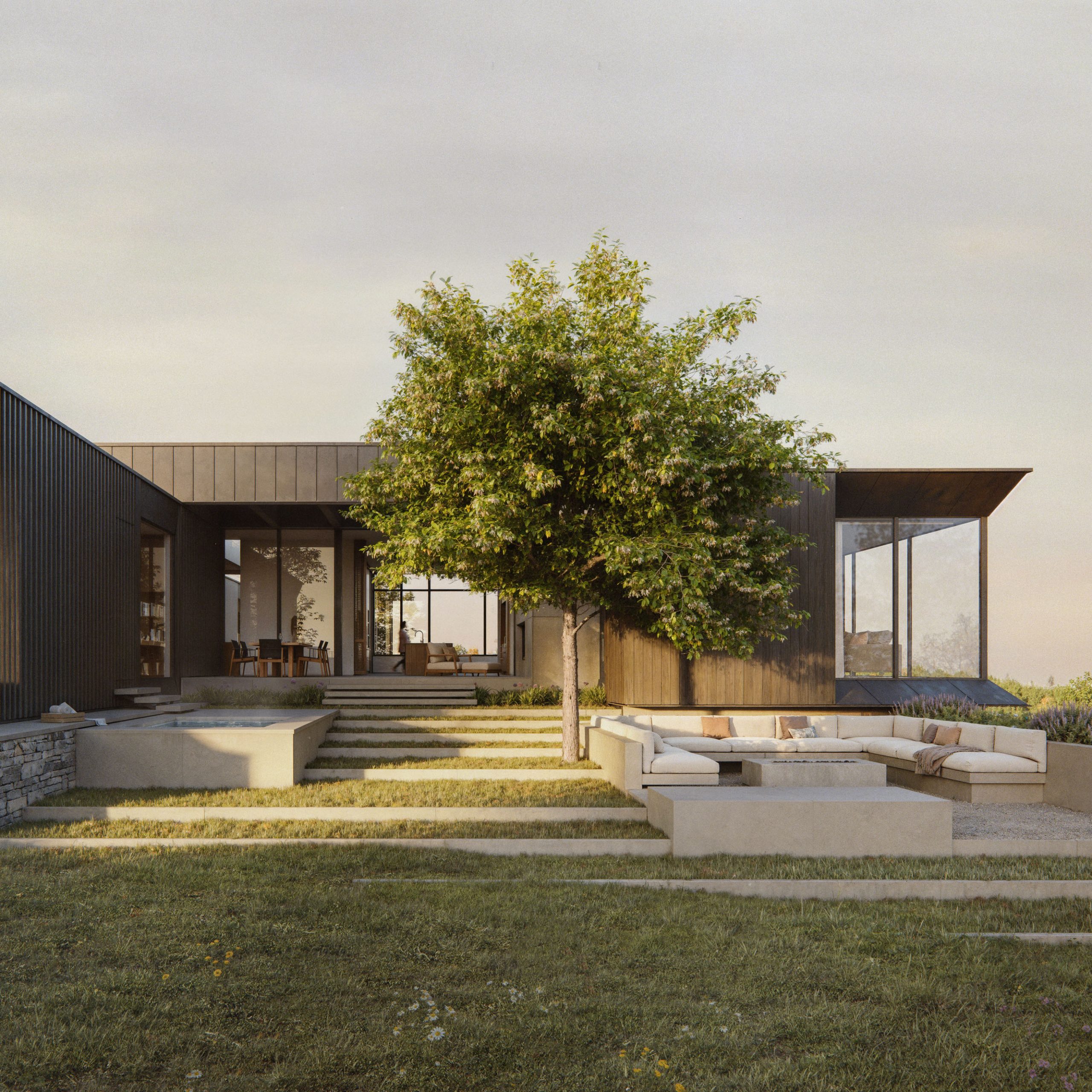
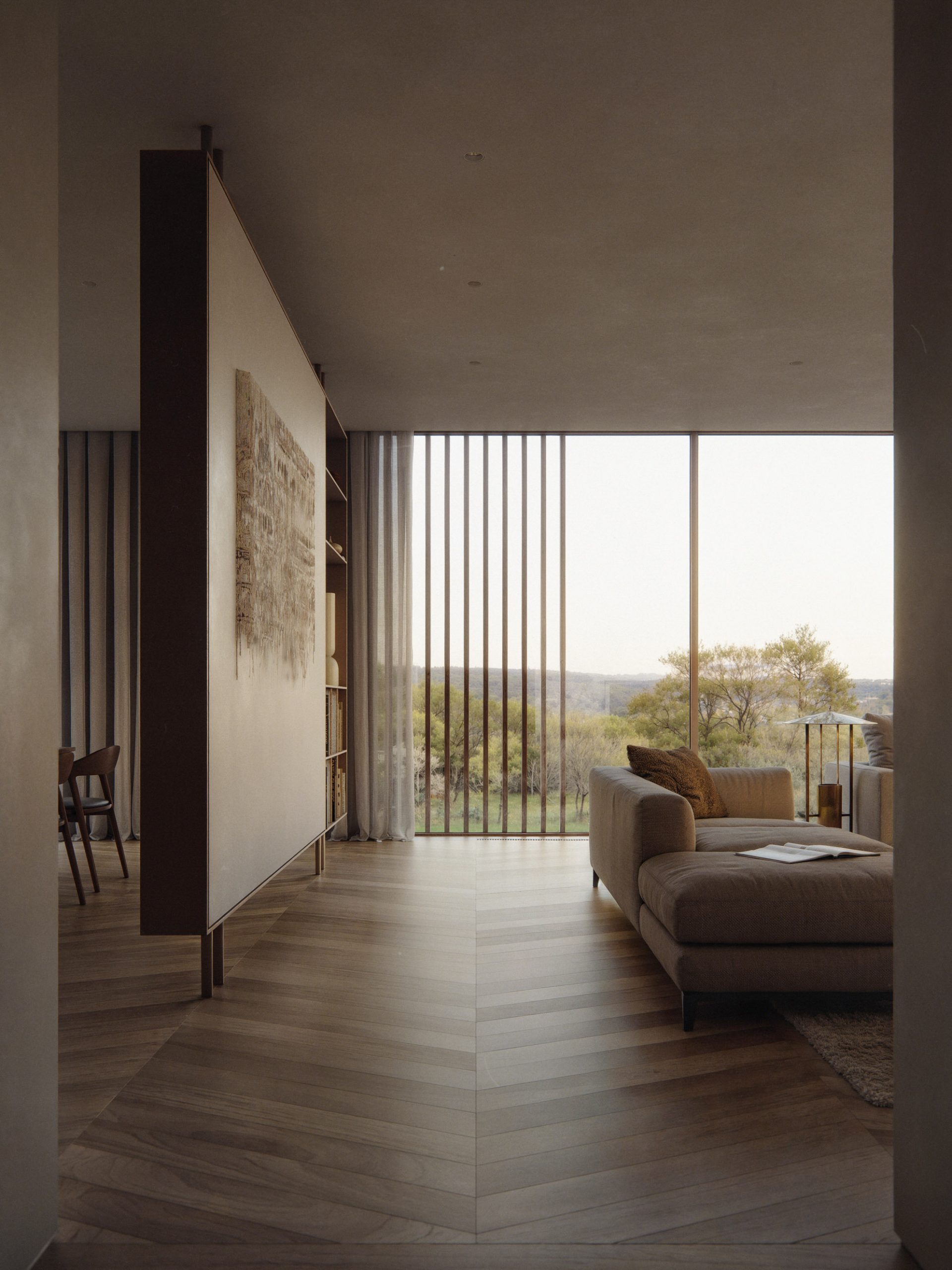
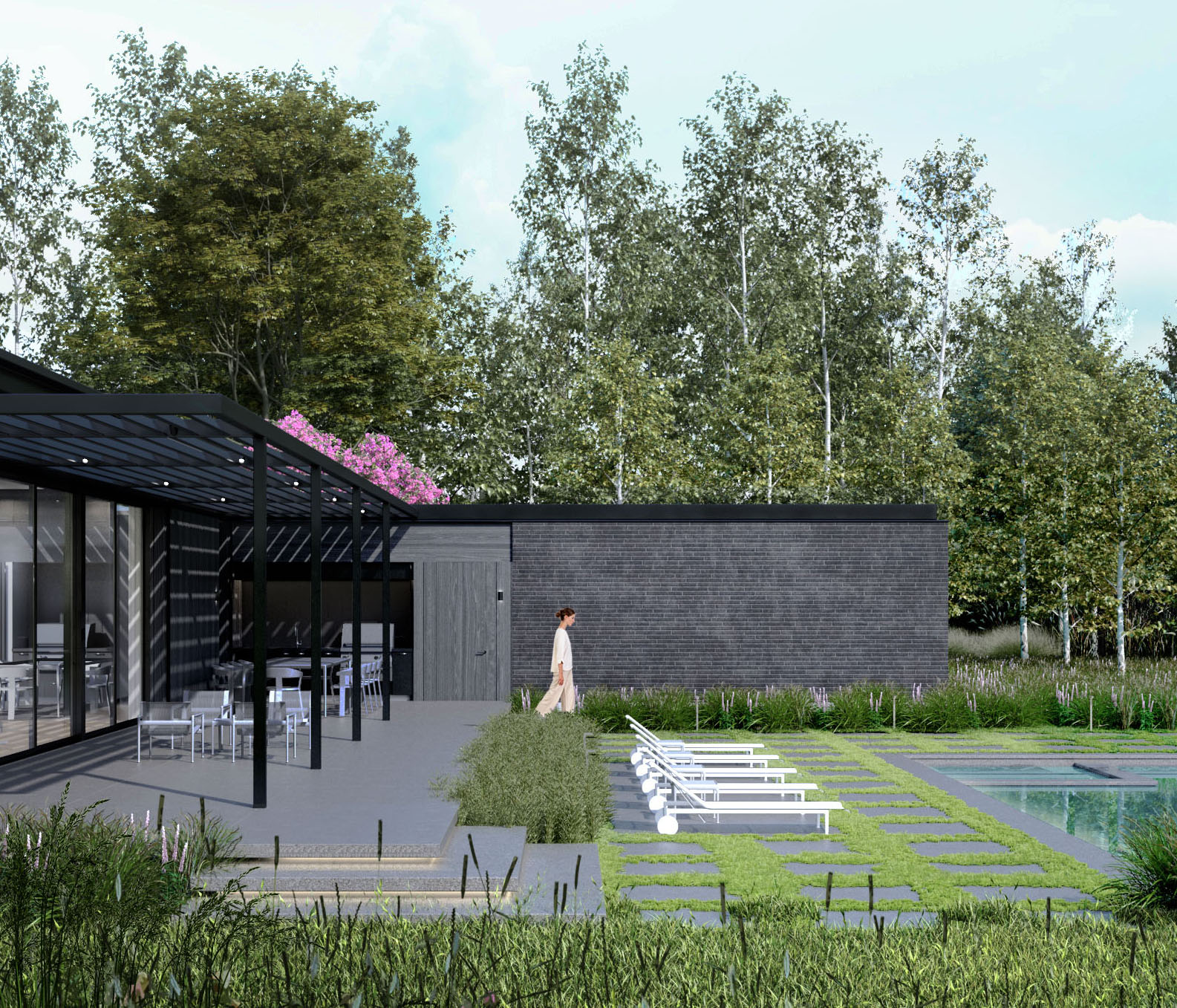
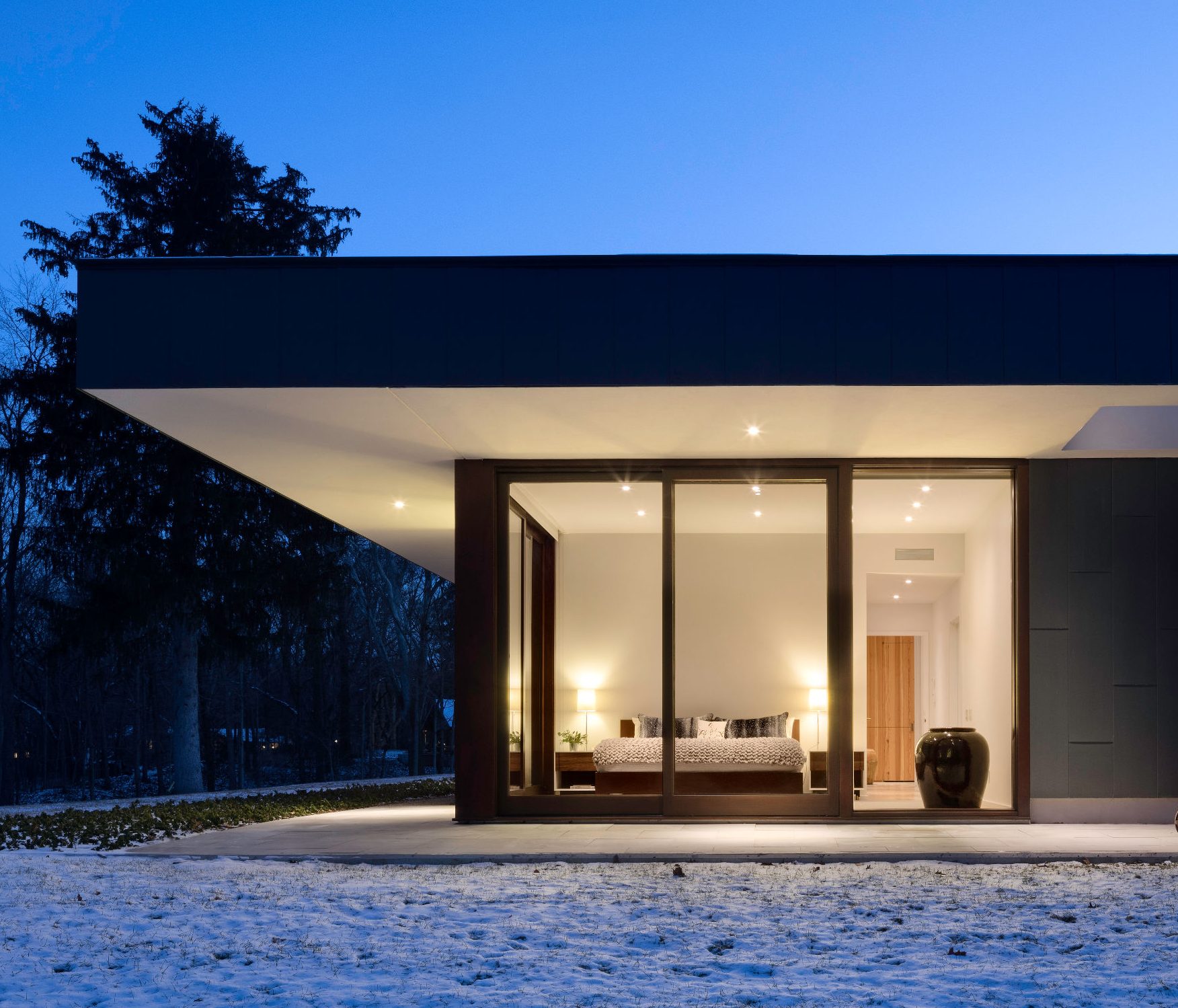
Taut wood volumes of interlocking wings rest atop a stacked stone base, their crisp silhouettes set against rolling hills and surrounding woodlands. Strong connections between interior spaces and the landscape shape the life of the home. A restrained material palette unifies inside and out: smooth stone flooring extends from the exterior terrace into the house, while the board-and-batten wood cladding continues inward at the entry.

At the center of the house is a gracious kitchen, the heart of the family’s daily rhythms. Here the landscape rises to meet the architecture, with lush sedges and bright alliums framing an outdoor living room just beyond. Interior and exterior spaces flow naturally together, reinforcing the home’s quiet dialogue with the land.

An ethic of stewardship anchors this project, from the clients’ longstanding roots in the town and their plans to put one third of the property into the local land trust, to the preservation of pasture where neighboring cows will continue to graze. In the design, this ethos is quietly expressed in the project’s commitment to sustainable material and energy use. Deep overhangs and vertical wooden slats are carefully calibrated along the triple-glazed windows to manage heat load, creating a veiled façade that modulates light on the inside. Wood fiber insulation—a carbon negative material with ultra-high thermal density—regulates temperature while considerably reducing energy use. A geothermal system substantially reduces the home’s energy demand, complemented by on-site photovoltaic generation. This New England home is meant to grow gracefully with the seasons, anchoring the life of the family here for the generations to come.

Read More

Key People

Aaron Plewke
Design Lead

Michael Ruffing
Project Manager

Collaborators

TenBerke
Architect and Interior Design

Reed Hilderbrand
Landscape Architect

Stuart Somers Co.
Civil Engineer

Five Phase Engineering
Structural Engineer

Pierce Lighting Studio
Lighting Design

Okdraw
Visualization